

Vestidos con coloridos trajes tradicionales, miembros de la comunidad se reunieron en el Filipino Community Hall of the Yakima Valley, en Wapato, para celebrar su inclusión en el Registro Nacional de Lugares Históricos.


-
 Imagine a stranger took your family’s heirlooms and then offered you an opportunity to buy them back before selling them at auction. In 1993, the Nez…
 -
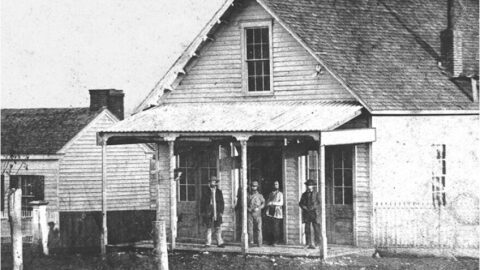 The Pacific Northwest is rightfully proud of its thriving microbrewery scene. Most beer lovers probably consider the rise of craft brewing a phenomenon of the past few decades. But the first brewpubs in the Northwest date so far back that archaeologists were called in to excavate the remnants of one in Jacksonville, Oregon.
 -
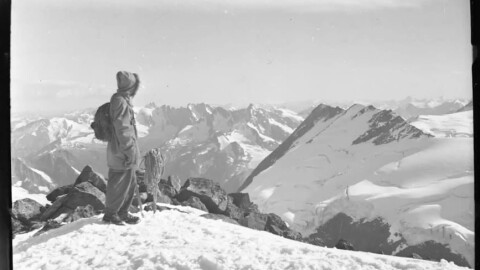 Reporter Courtney Flatt finds out who is the person in a box of old pictures.


-
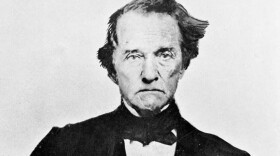 Past as Prologue essay about gendered epithets in Pacific Northwest politics and beyond.
 -
 What the struggle over recognition for WSU's Gay Awareness student group shows is some of the similarities between rural and urban LGBTQ rights. Rural areas — especially college towns like Pullman or Moscow — are also queer places. People in cities who were against gay rights used the same tactic as those in Pullman—the public-referendum—to deny housing or employment equality to LGBTQ people.
 -
 Learn how sheep ranchers in the late-nineteenth century in Eastern Oregon were already a part of complex agricultural and industrial systems that provided food, clothing and commodities to markets across the U.S.
 -
 Prohibition did not limit the demand of alcohol, and many people did not support it, including the police. On an early morning in March 1920, Seattle Police Lieutenant Roy Olmstead and Sergeant T.J. Clark met a crew of bootleggers loading a shipment of Canadian whiskey from Vancouver, B.C. for Seattle. Olmstead and Clark were not there to arrest the criminals, but to watch over the process, since they controlled the operation.
 -
 Women have shaped so much of how we live in Washington. As Women’s History Month comes to an end, meet prominent figures in the state’s history who have worked in community activism, environmental preservation and more.
 -
 The women athletes of early rodeo provide a broader understanding of women’s roles in rural history. Several top cowgirls like Fannie Sperry Steele, Mabel Strickland, and the Greenough sisters were born and raised on ranches across the Northwest. By studying these women, we have learned that women gentled and trained horses, moved cattle, and managed ranch duties.
 -
 During the early decades of the 20th century, Mark Matthews became one of the most powerful religious leaders in the United States. His Seattle congregation was the largest Presbyterian church in the world with more than 10,000 members at its peak.
 -
 Today we would recognize Harry Allen as trans. That term and concept did not exist in 1912, but there were many people in the past who had been assigned one sex at birth, but later in life transitioned to the sex that they more readily identified with.
 -
 The strike—and the violence that occurred—became George Pullman’s legacy, rather than his attempt to create the utopian worker’s town. When he died, his family buried him in a lead-lined coffin because they were concerned workers would try to desecrate it.
 -
 In this installment of the "Past as Prologue" series comes the story of a U.S. soldier, Sgt. George Yamauchi , from Pasco. He asked in 1943: 'What is an American?' Yamauchi penned the question in the local newspaper after his family was persecuted. The question defining who is an American is as relevant today as it was then.


