

Maddy Lucas
/
Whitman County Public Health
A harmful algal bloom is once again showing up on the Snake River. This is the fourth year in a row that Whitman County Public Health leaders have warned about algal blooms in the river.

Kristy Pentico
/
Benton Conservation District

Courtesy: Idaho State Department of Agriculture
-
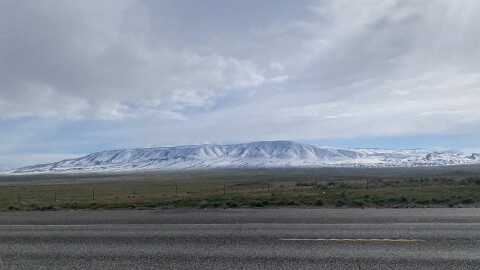 Anna King/NWPBFor years, the Yakama Nation has fought to restrict access to one of its most sacred sites outside the Tri-Cities. Rattlesnake Mountain, or Laliik, is one of the highest points in the region. And some hikers want access.
 -
 Saskia Hatvany / OPBLabs in Seattle and Wenatchee that were previously identified for closure were spared in the latest plan. The regional headquarters in Portland will be closed.
 -
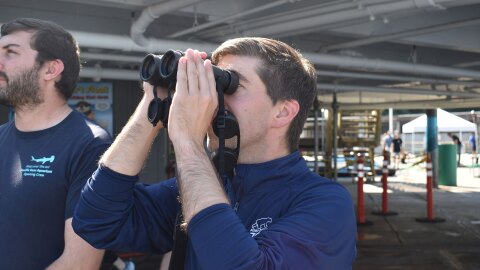 Lauren Gallup / NWPBDown at the Point Defiance Marina in Tacoma, large swallows are diving from up high in the sky to down under the boardwalk and into nesting boxes, where they’re feeding their newly fledged chicks.“ It's one of the exciting parts of my morning, is seeing the reports come in and see which boxes have had babies and all the notes from our volunteers,” said Sam Hain, a conservation specialist for the Point Defiance Zoo and Aquarium.


-
 Health officials plan to continue monitoring the Columbia River in the Tri-Cities after they found harmful algae in the water.
 -
 In Washington state, climate change is expected to bring lower stream flows, warmer winter temperatures and less snowpack in lower elevations. That’s according to a presentation from the state’s climatologist.
 -
 Sockeye numbers are coming in stronger for the Yakima River. That’s months after construction crews in the Tri-Cities removed a land-bridge. It caused the mouth of the river to stagnate.
 -
 If you’d like to know just how bad the smoke in your area could get, an interactive map could help. The tool from Washington State University is part of an air quality project for the Northwest.
 -
 A proposed wind project on Washington’s Palouse has raised various concerns. But now, it’s drawing support from some Nez Perce tribal members.
 -
 Pierce County is working to turn the old Purdy landfill into a green energy producer that will eventually benefit the Key Peninsula community.
 -
 A draft water supply forecast predicts that in the future, the Columbia Basin will have less water available in the summer and early fall.
 -
 A Seattle raccoon with a peculiar deformity becomes an overnight phenomenon after going viral on Instagram.
 -
 Some drinking water in Kennewick still has high levels of “forever chemicals.” Since 2024, the city has found PFAs chemicals above state standards.
 -
 Drastically fewer sockeye are returning to the Upper Columbia than expected. That’s why Washington isn’t allowing sockeye fishing this season there.


