

Anna King
Senior CorrespondentAnna King calls Richland, Washington home and loves unearthing great stories about people in the Northwest. She reports for the Northwest News Network from a studio at Washington State University, Tri-Cities. She covers the Mid-Columbia region, from nuclear reactors to Mexican rodeos.
The South Sound was her girlhood backyard and she knows its rocky beaches, mountain trails and cities well. She left the west side to attend Washington State University and spent an additional two years studying language and culture in Italy.
While not on the job, Anna enjoys trail running, clam digging, hiking and wine tasting with friends. She’s most at peace on top a Northwest mountain with her husband and their muddy Aussie-dog Poa.
-
 It’s Round-Up rodeo and Happy Canyon Night Show week in Pendleton, Oregon. At Happy Canyon, an Indigenous dress that’s over a century old will make an appearance. It’s been worn and passed down through five generations.
 -
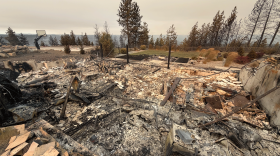 After devastating fires earlier this month in Spokane, several churches and religious organizations are stepping in to help people recover.
 -
 Changes are coming to the Hanford Advisory Board. The board, which is currently made up of around 70 members – including alternates — will be snapped down to 20.
 -
 In Spokane, a suspected arsonist has been arrested and had his first hearing. Thousands are evacuated out of their homes. Many have lost everything they've worked their entire lives for.
 -
 In Spokane, around 60,000 people have been evacuated — fleeing several fires. But they're not the only ones. Animals have also had to leave their homes.
 -
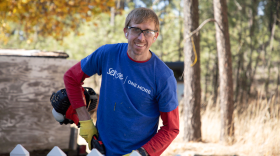 Seventh-day Adventist churches across the Inland Northwest are helping their neighbors for free, no strings attached, through the Serve One More program.
 -
 About 87% of all fresh U.S. pears come from the Northwest, according to the Pear Bureau Northwest. But many pear farmers in the Northwest say they’re going into deep debt or are getting out of the business.
 -
 Faith communities across Washington are showing up for Pride Month events. Some organizers and religious leaders say public support for LGBTQ+ people can help heal longstanding wounds stemming from some religious institutions.
 -
 Northwest cherries are about to ship, a tiny bit early. About 19 million boxes are expected this season – each box is 20 pounds.
 -
 NWPB’s Anna King spoke with regional religion editor Tracy Simmons to discuss trends around church attendance in the United States.


