

The south-central region of Washington's 8-region area for coronavirus restrictions can immediately reopen. That news came Sunday from the state Department of Health. It means the counties encompassing Walla Walla, the Tri-Cities, Yakima and Ellensburg can advance to Phase 2.


-
 PicasaYou may be used to hearing a pushy car salesperson ask the timeless question, "What can I do to get you in this car?" But one big thing could be different in Washington state a decade from now. Proposals introduced this winter in the Washington Legislature would end sales of new gasoline-powered cars in the state by 2030.
 -
 Bloomberg via Getty ImagesPresident Biden announced Tuesday that his administration is working to purchase an additional 200 million doses of the two COVID-19 vaccines that have been authorized for emergency use, with the goal, the White House says, of having enough vaccine supply for the entire adult U.S. population by the end of the summer.
 -
 APAs reports emerge across the country of health facilities throwing out unused and spoiled COVID-19 vaccines, some state governments are failing to track the wastage as required by the Centers for Disease Control and Prevention, leaving officials coordinating immunization efforts blind to exactly how many of the precious, limited doses are going into the trash and why.


-
 Washington state plans to roll out mass doses of the COVID-19 vaccine at regional hubs starting Monday, Jan. 25. But some local officials say they received little notice and that they’re far from ready.
 -
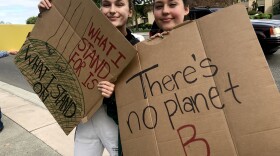 The U.S. officially withdrew from the accord to limit climate-warming greenhouse gas emissions late last year, after President Donald Trump began the process in 2017. It is the only country of the nearly 200 signatories that has withdrawn. Biden vowed to sign on Inauguration Day the documents needed to rejoin the agreement.
 -
 If you’ve ever waited in a long line to receive a test for the coronavirus, or tried to get one and couldn’t, or waited a week to get the results, you may have wondered why it’s not easier and more convenient. In recent weeks, the Food and Drug Administration began approving over-the-counter COVID-19 tests for Americans to use at home, part of a wave of new options that could play a role in catching infections that might otherwise go undetected.
 -
 As school districts across the state scramble to transition their classrooms safely from the online world back to the real world, they may benefit from the advice of the dozens of Washington districts that welcomed students back into their halls this past fall.
 -
 Washington’s salmon are “teetering on the brink of extinction,” according to a new report. It says the state must change how it’s responding to climate change and the growing number of people in Washington.
 -
 Many patients who are hospitalized for COVID-19 are discharged with symptoms such as those associated with a brain injury. These include "forgetfulness that impairs their ability to function," de Erausquin says. "They complain about trouble with organizing their tasks, and that entails things such as being able to prepare a meal."
 -
 In rainy Oregon, communities tap a network of streams and creeks to supply millions of residents with cold, clean water. The problem is that the land surrounding drinking water streams is, in many cases, owned not by the towns or the residents who drink the water, but by private timber companies that are now logging more intensively than ever, cutting trees on a more rapid cycle and spraying herbicides to kill other plants that compete with replanted seedlings for sunlight.
 -
 In the decades since government restrictions reduced logging on federal lands, the timber industry has promoted the idea that private lands are less prone to wildfires, saying that forests thick with trees fuel bigger, more destructive blazes. But an analysis by OPB and ProPublica shows last month’s fires burned as intensely on private forests with large-scale logging operations as they did, on average, on federal lands that cut fewer trees.


