
-
 From Wenatchee, Washington, to Owyhee, Oregon, farmers and ranchers are making tough choices about water. Poor winter snowpack throughout the region is to blame. Farmers and ranchers are looking at a dry spring, summer and fall irrigation season.
 -
 (Runtime :51)After being blasted with snow in early January, are snowpack levels in Oregon and Washington looking a lot better?Matt Warbritton with the…
 -
 Smaller, faster-melting snowpack could deplete water supplies, increase wildfire risk and invite invasive species. The Cascades might reach that point earlier.
 -
 For much of the Northwest, snowpack is above normal. That’s a good sign this time of year, when snowpack usually reaches its peak. Having enough snowpack is critical for spring and summer runoff that will supply water for irrigation and salmon runs. But that doesn’t mean everywhere has that much snow.
 -
 At the start of 2020, the situation looked dismal. After a dry start to the season, Washington and Oregon had less than half the amount of snow they’d normally see in the mountains. Then came the first few weeks of January.
 -
New research says climate change is decreasing the amount of snow in the Pacific Northwest. And that has implications for water resources in the region.
-
 According to a new federal drought monitor map, the long-running dry spell finally looks to be over in most of the Northwest. Heavy snows and precipitation in February and early March have made up the difference. That’s good news for ranchers, irrigators, river rafters and salmon.
 -
 The Northwest has seen plenty of snow and cold temperatures these last few weeks. But forecasters say some areas could still face drought this summer.
 -
 This warm El Niño winter in the region is worrying water managers and farmers. Many Washington and Oregon reservoirs aren’t filling up like they should, and snowpack levels are below average in many areas.
 -
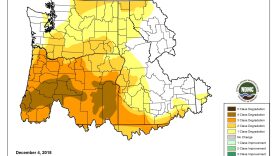 This weekend and into next week the Northwest is set to get several blasts of winter weather. That’s welcome news for Washington and Oregon’s water experts. Both states are well below normal for snowpack for this time of year.
Play Live Radio
Next Up:
0:00
0:00
Available On Air Stations


