InsightsNW is part of NWPB’s efforts to include more solutions journalism in our reporting. Solutions journalism examines how communities are responding to problems and seeking solutions.
This type of journalism analyzes a response to a problem while also looking at lessons learned, limitations of a solution and the evidence to show how a response is — or isn’t — working.

Courtesy: Patti McMullan
In Pierce County, over 14,000 people between the ages of 16 and 24 aren’t working, in school, or in any kind of training.The county refers to this group as “disconnected youth.”But people are working to change the tide for these young people.WorkForce Central, the county’s workforce development organization, runs paid internships. These are reaching some of Pierce County’s disconnected youth.


Courtesy: Idaho State Department of Agriculture
-
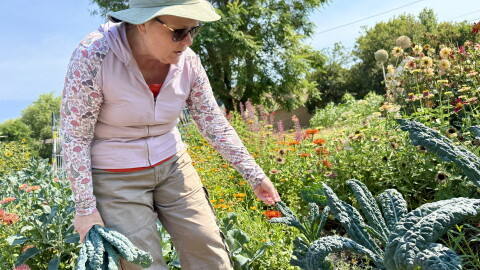 Erick Bengel/NWPBA conversation about the Blue Mountain Action Council's efforts to use gleaning to address a food shipment shortage.
-
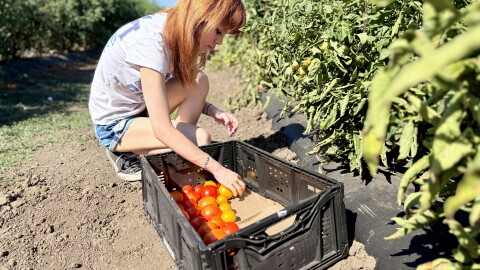 Erick Bengel/NWPBWhen the Blue Mountain Action Council lost more than half its food shipments, they decided to focus on gleaning — gathering fruits and vegetables from personal gardens and commercial farms — and distribute the produce to regional food panties.
-
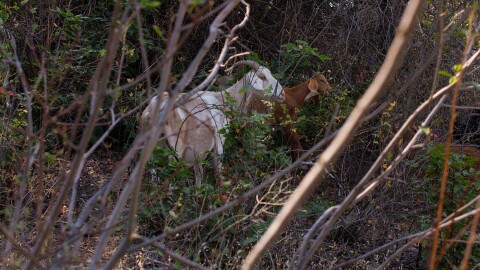 Rachel Sun/NWPBHow are goats being used as a fire mitigation tool in the Northwest?


-
 With wildfires battering much of the western United States, practitioners of one fuel mitigation strategy have seen increased public interest. They work long hours, remove brush on difficult terrain, and chew cud.
-
 An engineer in Mosier, Oregon, is developing a new way to keep property safe during wildfires. He’s tested his wildfire sensors out on his land and at prescribed burns.
-
 Tiny, pocket forests are sprouting up all around Washington state: on old, abandoned fields and in people’s backyards. They’re meant to mimic nature – and to grow quickly and increase biodiversity.
-
 A tribal health clinic in Lapwai, Idaho, has helped patients find success managing diabetes and prediabetes. NWPB’s Rachel Sun joined host Connor Henricksen to discuss.
-
 Communities across the U.S. are turning small plots of land into highly dense forests that grow quickly. Turns out these forests have roots to a decades-old planting method that originated in Japan.
-
 Native American people face a higher rate of type 2 diabetes than the general population. Several regional tribes are offering diabetes management programs to help patients fight those odds.
-
 How are the Cayuse, Umatilla and Walla Walla tribes working to take care of their unused food? Morning Edition host Connor Henricksen joined NWPB’s Anna King to discuss how the Confederated Tribes of the Umatilla Indian Reservation are finding success diverting that waste.
-
 The Cayuse, Umatilla and Walla Walla tribes view their traditional foods as something that deserves the utmost respect. So, they’re striving to repurpose their food waste.
-
 Refugees and immigrants in the U-S can have a hard time adjusting to a new place. But there's a nonprofit in the Tri-Cities that’s aiming to help.
-
 B5, a nonprofit in the Tri-Cities, provides free English and citizenship classes for refugees and immigrants.